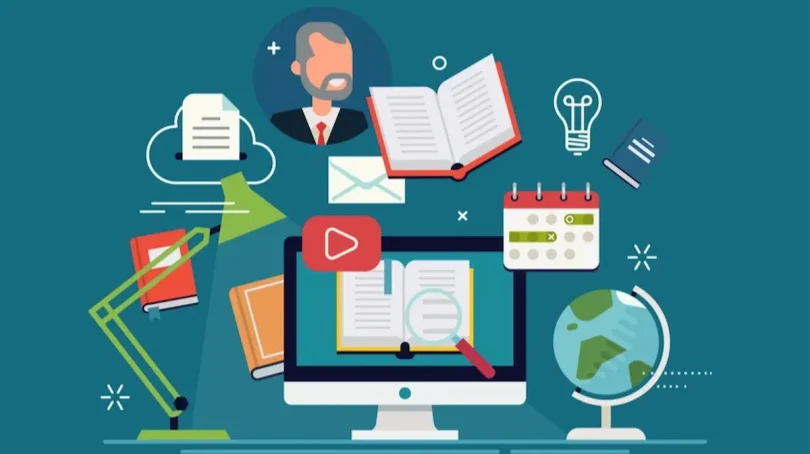

In today’s fast-paced world, digital learning resources have become a cornerstone of education. Gone are the days when learning was confined to classrooms and dusty textbooks. Now, with just a laptop, tablet, or smartphone, anyone can access a wealth of knowledge from anywhere in the world. Digital learning resources are not just tools—they are gateways to new skills, knowledge, and opportunities.
Whether you’re a student, a professional, or someone who loves to learn for fun, these resources can help you grow, stay updated, and achieve your goals.
What Are Digital Learning Resources?
Simply put, digital learning resources are online or technology-based tools that help people learn. They make education interactive, flexible, and often more engaging than traditional methods. These resources go beyond reading—they can include videos, quizzes, simulations, games, apps, and more.
Think of it this way: instead of memorizing facts from a textbook, you can watch a video explaining the concept, try an interactive exercise to apply it, or join an online community to discuss ideas. Digital learning resources transform learning from a passive activity into an active, dynamic experience.
Types of Digital Learning Resources

Digital learning resources come in many forms, and understanding the types can help you choose the right tools for your learning style.
1. Online Courses and MOOCs (Massive Open Online Courses)
Platforms like Coursera, edX, Udemy, and Skillshare offer structured courses in almost any subject you can think of. Some courses are free, while others offer certifications for a fee. These courses often include:
- Video lectures
- Quizzes and assignments
- Discussion forums
- Certificates for completed courses
2. Educational Apps
Apps bring learning to your fingertips. They are especially helpful for practicing skills daily. Examples include:
- Duolingo – Learn languages with interactive lessons.
- Photomath – Solve math problems and understand solutions step by step.
- Khan Academy – Covers topics from math to science for learners of all ages.
3. E-books, PDFs, and Digital Libraries
Digital textbooks and PDFs provide a portable, cost-effective alternative to traditional books. Websites like Project Gutenberg offer thousands of free e-books for learners worldwide. Universities also often provide free access to research papers and textbooks online.
4. Video Tutorials and Learning Channels
Platforms like YouTube, TED-Ed, and LinkedIn Learning offer visual and auditory learning experiences. Watching concepts explained in a visual format can make complex topics much easier to grasp.
5. Interactive Simulations and Gamified Learning
Learning by doing is one of the most effective ways to retain information. Tools like PhET Interactive Simulations (science and math experiments) and Code.org (programming exercises) allow learners to practice skills in a safe, interactive environment.
6. Podcasts and Audio Learning
For auditory learners, podcasts on platforms like Spotify or Apple Podcasts can provide insights, expert interviews, and lessons on various topics. These are perfect for learning on the go—while commuting, exercising, or doing chores.
Benefits of Using Digital Learning Resources
The rise of digital learning resources is not just a trend—it’s a revolution. Here are some key benefits:
- Flexibility – Learn whenever and wherever you want. No more being tied to a classroom schedule.
- Cost-effective – Many resources are free or much cheaper than traditional education.
- Access to Experts – Learn from top educators, industry professionals, and global experts.
- Personalized Learning – Choose resources that fit your learning style and pace.
- Interactive Engagement – Videos, quizzes, and games make learning more engaging than passive reading.
- Up-to-date Information – Digital resources are updated faster than printed textbooks, so you always get current knowledge.
- Global Learning Community – Connect with learners worldwide, share ideas, and get feedback.
You may also like to read this:
Learning Resources For Students To Improve Learning Skills
Free Learning Resources For Students And Self-Learners
Top Online Learning Resources To Learn Anytime, Anywhere
Educational Learning Resources – Step-By-Step Learning Guide
Ultimate Study Learning Resources For Effective Learning
How to Choose the Right Digital Learning Resources
With so many options available, it can be overwhelming. Here’s a simple guide:
- Define your goals – Are you learning for school, work, or personal growth?
- Check credibility – Choose trusted platforms and verified experts.
- Consider your learning style – Some people learn best with videos, others with interactive exercises.
- Mix different resources – Combine courses, videos, apps, and books for a balanced approach.
- Start small – Begin with one or two resources to avoid burnout.
Tips to Maximize Digital Learning
- Create a schedule – Treat learning like a regular activity.
- Take notes – Write down important points to reinforce memory.
- Practice consistently – Apply concepts through exercises, quizzes, or projects.
- Engage with communities – Join forums or social media groups to discuss and learn from others.
- Review and reflect – Regularly assess what you’ve learned to strengthen understanding.
Popular Digital Learning Resources You Should Explore
Here’s a list of widely recognized digital learning platforms and tools:
- Coursera – Offers courses from universities like Stanford and Yale.
- edX – Provides free and paid courses in multiple languages.
- Khan Academy – Great for school-level subjects and concept building.
- Duolingo – Language learning made fun and interactive.
- Quizlet – Flashcards and games for memorization.
- TED-Ed – Short educational videos on diverse topics.
- Photomath – Learn math by solving problems interactively.
- Code.org – Learn coding with fun exercises and challenges.
- LinkedIn Learning – Professional development and skill-building courses.
- Project Gutenberg – Thousands of free e-books across subjects.
FAQs About Digital Learning Resources
Q1: Are digital learning resources suitable for all ages?
Yes! From kids using educational apps to adults taking professional development courses, digital learning can benefit anyone.
Q2: Can digital learning resources replace traditional education?
Not entirely. They complement traditional education, providing flexibility, additional practice, and access to diverse learning material.
Q3: How do I stay motivated while learning online?
Set clear goals, schedule study time, take breaks, and use interactive resources to keep learning fun and engaging.
Q4: Are there free digital learning resources available?
Absolutely! Platforms like Khan Academy, Coursera (audit mode), YouTube, and Project Gutenberg offer high-quality free content.
Conclusion
Digital learning resources are more than just tools—they are gateways to knowledge, skill-building, and personal growth. By leveraging online courses, apps, e-books, video tutorials, simulations, and podcasts, you can create a flexible, personalized, and engaging learning experience. Whether you’re a student aiming to excel academically, a professional seeking career advancement, or a lifelong learner exploring new hobbies, digital learning resources can help you achieve your goals efficiently.
Start exploring today and make learning an exciting, accessible, and lifelong journey!