

Exams are a crucial part of academic life, and preparing for them can feel stressful. But don’t worry—success isn’t just about hard work; it’s about smart preparation. With the right strategies and exam preparation tips, you can manage your time, reduce stress, and improve retention. This guide will take you through everything you need to know to prepare effectively.
1. Start Early and Make a Comprehensive Plan
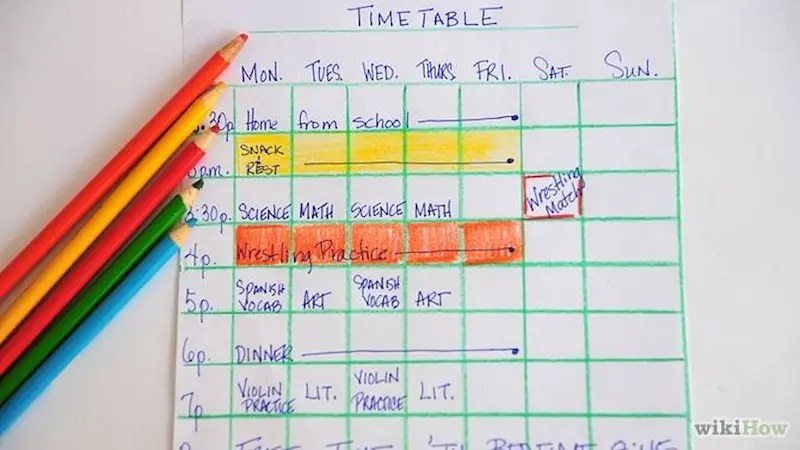
One of the most common mistakes students make is waiting until the last minute to study. Procrastination increases stress and reduces efficiency. The first step in exam preparation tips is to start early.
- Create a study timetable: Divide your available days or weeks before the exam into study blocks. Allocate specific time slots for each subject based on difficulty and priority.
- Break topics into smaller chunks: Studying an entire chapter at once can be overwhelming. Break it into smaller, manageable sections to study consistently.
- Set realistic daily goals: Instead of aiming to cover everything in a single day, set achievable goals, like completing 2–3 topics.
A well-structured plan ensures you cover all topics without cramming and allows time for revision.
2. Organize Your Study Environment
Your study space directly impacts focus and productivity. A clean and organized study area is a game-changer.
- Quiet and distraction-free: Avoid studying in noisy areas or where you’re likely to get interrupted.
- Good lighting: Proper lighting reduces eye strain and keeps you alert.
- Necessary materials at hand: Keep textbooks, notebooks, stationery, and digital resources ready.
- Minimal distractions: Put your phone on silent or use apps that block social media while studying.
A dedicated, organized space helps your mind focus solely on studying, making your efforts more productive.
3. Understand the Exam Pattern and Syllabus
Knowing the structure of your exam can save hours of unnecessary study.
- Check past papers: Look for previous years’ question papers to understand common topics and question patterns.
- Identify important chapters: Some topics carry more weight than others. Prioritize these in your study plan.
- Understand question types: Are they multiple-choice, short answers, or essays? This affects how you prepare.
Understanding the exam layout allows you to focus on what matters most and reduces uncertainty on exam day.
4. Use Active Learning Techniques
Passive reading isn’t enough to retain information. Active learning techniques make your study sessions more effective:
- Summarize in your own words: After reading a topic, write a short summary in simple language.
- Create flashcards: Ideal for definitions, formulas, and key points.
- Mind maps and diagrams: Visual aids help link concepts and make recall easier.
- Teach someone else: Explaining a concept to a friend or family member reinforces your understanding.
- Practice questions: Solve exercises or sample questions to test your understanding.
Active engagement improves memory retention and helps you apply knowledge during exams.
5. Manage Your Time Efficiently

Time management is one of the most critical exam preparation tips:
- Use the Pomodoro technique: Study for 25–50 minutes, then take a 5–10 minute break. This prevents burnout.
- Prioritize tasks: Start with difficult or high-weightage topics when your mind is fresh.
- Avoid multitasking: Focus on one subject or topic at a time to ensure better retention.
- Track progress: Check off topics as you finish them. This provides a sense of accomplishment and motivation.
Good time management ensures balanced preparation without feeling rushed.
6. Revision: The Key to Retention
Revision is not just rereading notes; it’s the backbone of exam success.
- Plan revision cycles: Review each topic multiple times—initially in detail, later with summaries or flashcards.
- Focus on weak areas: Spend more time on topics you struggle with.
- Use different methods: Mix reading, writing, and solving questions.
- Active recall: Test yourself without looking at notes to see what you remember.
Consistent and structured revision helps move information from short-term to long-term memory.
7. Practice Past Papers and Mock Exams
Simulating exam conditions is crucial for real preparation:
- Solve past question papers: Identify repeated patterns and frequently asked questions.
- Time yourself: Practice under timed conditions to improve speed and accuracy.
- Review mistakes: Analyze errors and revise weak areas to avoid repeating them.
Mock tests also boost confidence and reduce exam-day anxiety.
You may also like to read this:
Educational Learning Resources – Step-By-Step Learning Guide
Ultimate Study Learning Resources For Effective Learning
Top Digital Learning Resources For Modern Education
Effective Exam Tips For Students – Study Smarter, Not Harder
8. Maintain a Healthy Lifestyle
Your physical and mental well-being greatly affects performance:
- Eat balanced meals: Nutritious food fuels your brain and improves concentration.
- Stay hydrated: Water is essential for cognitive function.
- Sleep well: Avoid all-night cramming. 7–8 hours of sleep improves memory and focus.
- Exercise regularly: Even short walks or stretching improve blood flow and reduce stress.
A healthy body supports a sharp mind, which is essential during exam preparation.
9. Manage Stress and Stay Positive
Stress can interfere with memory and focus, so emotional well-being is key:
- Practice mindfulness or meditation: Even 5–10 minutes a day can calm your mind.
- Take deep breaths: Helps in moments of anxiety before or during study sessions.
- Positive affirmations: Tell yourself, “I am prepared and capable,” instead of negative thoughts.
- Avoid comparison: Focus on your own progress rather than comparing with peers.
Staying calm and positive allows you to perform at your best.
10. Seek Help When Needed
Don’t hesitate to reach out if you’re struggling with a topic:
- Ask teachers or mentors: They can clarify doubts and give guidance.
- Study groups: Explaining topics to peers can reinforce your knowledge.
- Online resources: Videos, tutorials, and forums can provide alternative explanations.
Getting help saves time and ensures you don’t get stuck on a topic unnecessarily.
Bonus Exam Preparation Tips
- Use mnemonics and memory aids: Useful for remembering complex formulas or lists.
- Stay consistent: Short, daily study sessions are more effective than long, irregular sessions.
- Organize notes by priority: Highlight important points for quick revision before the exam.
- Keep exam essentials ready: Admit card, stationery, and other items ready to avoid last-minute panic.
Conclusion
Effective exam preparation isn’t about studying harder; it’s about studying smarter. By following these exam preparation tips, you can manage your time, retain information, and reduce stress. Start early, stay organized, revise regularly, and take care of your health and mindset. With these strategies, you’ll approach your exams confidently and give your best performance.
FAQs on Exam Preparation Tips
1. How early should I start preparing for exams?
It’s best to start as early as possible—ideally 4–6 weeks before the exam. Starting early gives you enough time to cover all topics, revise multiple times, and reduce last-minute stress.
2. How many hours should I study per day?
The ideal study time varies for each student, but 4–6 focused hours per day with short breaks is effective. Remember, quality matters more than quantity—active learning beats long passive reading sessions.
3. What is the best way to revise before exams?
Use a combination of techniques:
Summarize notes
Make flashcards
Solve past papers
Practice active recall
Focus on weak areas and important topics. Multiple short revisions are more effective than one long session.
4. How can I improve concentration while studying?
Study in a quiet, organized environment
Avoid mobile distractions
Use techniques like Pomodoro (25–50 minutes study + 5–10 minutes break)
Take short walks or stretch during breaks
Keep hydrated and eat nutritious snacks
5. How do I manage exam stress and anxiety?
Practice deep breathing or meditation
Exercise regularly
Get enough sleep
Stay positive and avoid comparing yourself with others
Take mock tests to build confidence