


In today’s fast-paced world, having the right study learning resources can make all the difference between struggling and excelling in your studies. Whether you’re a school student, college-goer, working professional, or a lifelong learner, the right resources can make learning more effective, engaging, and even enjoyable.
In this detailed guide, we’ll explore every type of study resource, how to use them, and practical tips for maximizing your learning potential.
What Are Study Learning Resources?
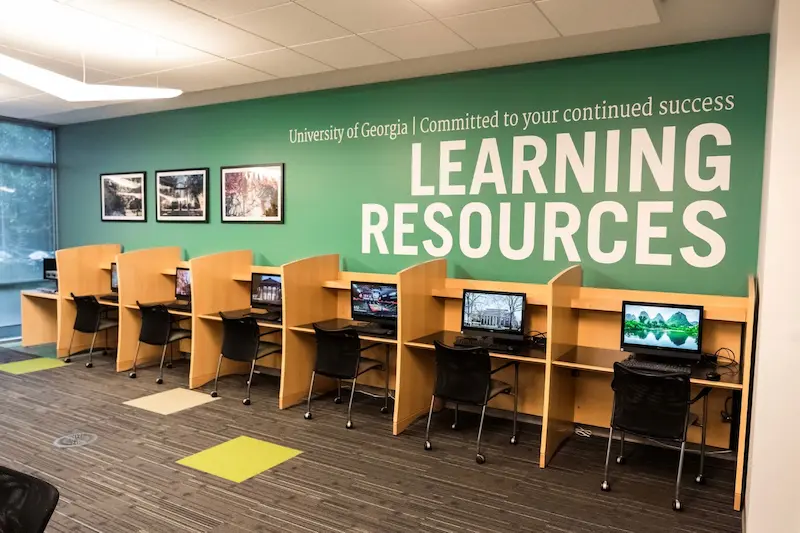
Study learning resources are materials, tools, or platforms that help learners gain knowledge, practice skills, and improve understanding. They can be physical (like books and notebooks), digital (like apps and websites), or interactive (like online courses and study groups). Using a mix of these resources can help you approach learning from multiple angles, reinforcing your knowledge and making retention easier.
Think of study resources as your learning toolkit—without them, studying can feel slow and inefficient. With the right tools, even complex topics become approachable and easier to master.
Types of Study Learning Resources
To make your learning journey smoother, here’s an in-depth look at the most effective types of study learning resources:
1. Books and Textbooks
Books and textbooks remain the foundation of learning. They offer structured information, in-depth explanations, examples, and exercises.
Tips for Using Books Effectively:
- Skim through chapters first to understand the layout.
- Highlight key points and make margin notes.
- Solve practice problems provided at the end of chapters.
- Use supplementary guides to reinforce difficult concepts.
Example Resources:
- NCERT textbooks for school students
- “Introduction to Algorithms” by Cormen for computer science
- “Physics for Scientists and Engineers” by Serway
2. Online Courses
Online courses are ideal for structured learning at your own pace. Many platforms offer courses from beginner to advanced levels, complete with video lectures, exercises, and assessments.
Benefits:
- Flexibility: Learn anytime, anywhere.
- Interactive Learning: Many courses include quizzes and assignments.
- Certifications: Useful for resumes or professional growth.
Popular Platforms:
- Coursera
- edX
- Udemy
- Khan Academy
3. Educational Videos and Tutorials
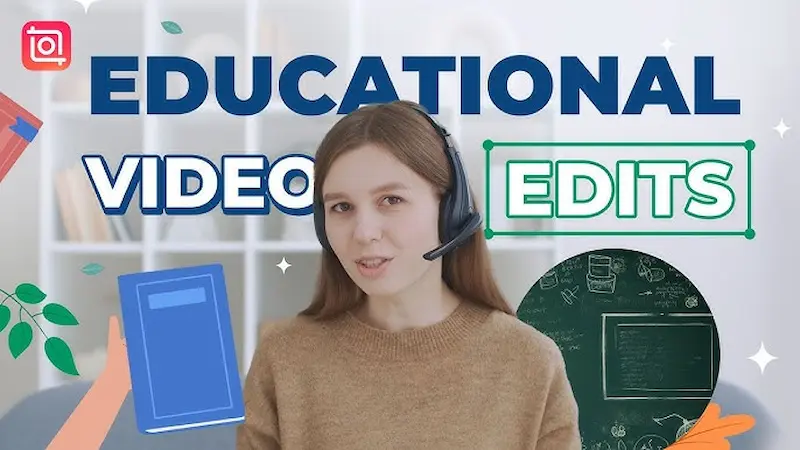
Videos are excellent for visual learners. Complex topics can often be understood faster when explained through diagrams, animations, or step-by-step tutorials.
Tips for Using Videos:
- Pause and take notes during explanations.
- Rewatch difficult sections for clarity.
- Use subtitles or transcripts to reinforce learning.
Example Channels/Platforms:
- YouTube: CrashCourse, Khan Academy
- TED-Ed
- Academic Earth
4. Mobile Apps
Mobile learning apps make studying interactive, convenient, and fun. Gamified elements in apps keep learners motivated while ensuring steady progress.
Popular Apps:
- Duolingo – Language learning
- Quizlet – Flashcards for memorization
- Khan Academy – Covers multiple subjects
- Brilliant – Math, science, and logic problem solving
Tips:
- Use apps daily for short practice sessions.
- Combine apps with traditional resources for maximum impact.
5. Study Guides and Summaries
Study guides condense essential information into digestible summaries. They are perfect for last-minute revisions or exam preparation.
Examples:
- CliffsNotes for literature
- SparkNotes for novels and plays
- Exam-oriented guides like NCERT summaries
Tips:
- Don’t rely solely on summaries—use them to reinforce concepts after studying in-depth.
- Make your own summaries for better retention.
6. Practice Tests and Quizzes
Testing yourself is a proven method to improve knowledge retention and identify weak areas.
Tips for Effective Practice Tests:
- Time yourself like in real exams.
- Review mistakes and revise weak areas.
- Take multiple quizzes on the same topic to reinforce learning.
Platforms Offering Free Quizzes:
- Quizlet
- Khan Academy
- OpenStax
7. Flashcards
Flashcards are especially effective for memorization. They are compact, portable, and great for repetitive practice.
Tips:
- Use digital flashcards for easy access and auto-sorting.
- Focus on active recall by trying to remember answers before flipping the card.
Tools:
- Anki
- Quizlet
- Cram
8. Study Groups and Discussion Forums
Collaborating with peers can deepen understanding, expose you to new perspectives, and increase motivation.
Tips for Study Groups:
- Assign topics for each member to explain.
- Use discussion to solve complex problems collectively.
- Keep sessions focused and time-limited.
Popular Online Communities:
- Reddit (r/learnprogramming, r/biology, r/AskAcademia)
- Discord study servers
- Stack Exchange communities
You may also like to read this:
Free Study Guides Online | Learn Smarter Without Paying
Learning Resources For Students To Improve Learning Skills
Free Learning Resources For Students And Self-Learners
Top Online Learning Resources To Learn Anytime, Anywhere
Educational Learning Resources – Step-By-Step Learning Guide
How to Choose the Best Study Learning Resources
Not every resource works for everyone. Here’s how to pick the right ones:
- Identify Your Learning Style
- Visual, auditory, reading/writing, or kinesthetic.
- Choose resources that align with your style.
- Visual, auditory, reading/writing, or kinesthetic.
- Check Credibility
- Use trusted websites, verified courses, and official textbooks.
- Use trusted websites, verified courses, and official textbooks.
- Mix Resources
- Use videos, books, apps, and practice tests together for a well-rounded approach.
- Use videos, books, apps, and practice tests together for a well-rounded approach.
- Organize Your Materials
- Keep digital and physical notes organized in folders or notebooks.
- Create a study schedule to balance different resources.
- Keep digital and physical notes organized in folders or notebooks.
Benefits of Using Study Learning Resources
- Better Understanding: Multi-format learning helps grasp difficult concepts.
- Improved Retention: Flashcards, quizzes, and active recall reinforce memory.
- Flexibility: Learn at your own pace, anytime, anywhere.
- Motivation: Interactive resources and gamified apps keep you engaged.
- Cost-Effective: Many free resources are available online, reducing learning costs.
FAQs About Study Learning Resources
Q1: Are free study learning resources effective?
Yes! Free platforms like Khan Academy, Coursera, and YouTube tutorials are high-quality and accessible. Consistent use is key.
Q2: Can apps replace traditional textbooks?
Apps are great for practice and interactive learning, but textbooks provide detailed explanations that apps may lack. A combination works best.
Q3: How do I stay consistent with learning?
Set daily or weekly study goals, mix resources, and track progress using apps or planners.
Q4: Which is better—solo study or group study?
Both have benefits. Solo study improves focus, while group study helps with discussion and deeper understanding. Use a mix depending on the topic.
Conclusion
Using the right study learning resources can completely transform your learning experience. By combining books, online courses, videos, apps, study guides, practice tests, and collaborative learning, you can learn faster, retain information longer, and enjoy the process. Whether you’re preparing for exams, mastering a new skill, or exploring a new subject, these resources provide the tools you need to succeed.
Remember, it’s not just about studying harder—it’s about studying smarter. Pick the resources that fit your style, stay consistent, and watch your learning journey become more productive and enjoyable.